Review: Patchwork Quilt Heart Sticker Design
As a designer who spends more time than I care to admit staring at stitch density charts and testing thread tensions, I approach every new machine embroidery design with a mix of excitement and skepticism. The market is flooded with generic shapes, but few capture that specific "handmade" warmth without looking like a cheap clip-art afterthought. That is why I decided to put the Patchwork Quilt Heart Sticker Design through its paces. This isn't just another graphic; it is a thoughtful composition that speaks directly to the quilters, fabric lovers, and anyone with a soft spot for cozy aesthetics. After reviewing this embroidery file for potential use in client projects and my own craft business, here is my practical breakdown of how it performs in real-world applications.
The First Impression: Cozy Meets Commercial
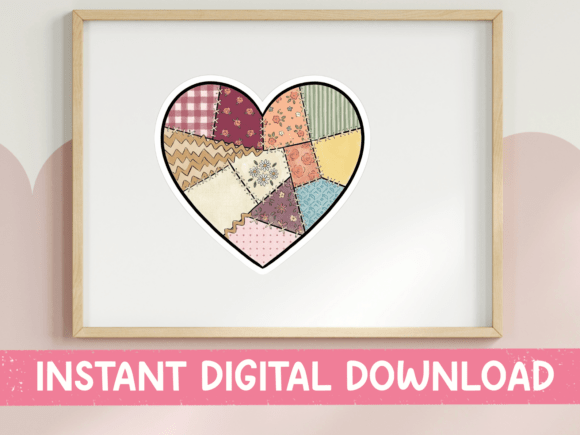
When you first load this graphics asset into your digitizing software, the immediate takeaway is its sticker-style aesthetic. The heart shape is divided into a patchwork grid of fabric-inspired squares, predominantly in blush pink tones. It feels tactile even before the needle hits the fabric. For an Etsy seller or small shop owner, this visual personality is gold. It bridges the gap between digital art and physical craft, creating a product that feels both modern and nostalgic.
The mood it creates is undeniably warm. Unlike stark geometric hearts or overly ornate Victorian designs, this piece feels accessible. It suggests comfort, which is exactly what buyers are looking for when they purchase personalized gifts or boutique items. The layout is balanced, allowing for clear definition in the "quilt squares" without becoming cluttered. This balance is crucial for maintaining stitch density control, ensuring that the final finished product doesn’t look like a tangled mess of thread.
Real-World Application: From Tote Bags to Baby Gear
I have been thinking about where this design would shine brightest, and the list is surprisingly versatile. While categorized under T-Shirt Designs, limiting it to apparel would be a mistake. Here is how I see this embroidery project translating across different mediums:
- Custom Apparel & Sweatshirts: On a cream or oatmeal-colored sweatshirt, this design pops beautifully. The blush pink contrasts softly against light neutrals, creating a high-end boutique look. It works particularly well as a chest pocket accent or a centered back print for a relaxed, vintage vibe.
- Baby Embroidery Items: This is perhaps the strongest use case. A onesie, burp cloth, or nursery wall hanging featuring this heart design feels incredibly tender. Parents love items that signal "handmade" and "care," and the quilt motif perfectly aligns with baby themes. It adds value to a simple garment, turning it into a keepsake.
- Kitchen & Home Decor: Imagine this on a linen tea towel, a kitchen apron, or a pillow cover. The patchwork theme resonates with home decor trends right now. It feels domestic and inviting. For a commercial embroidery business, these are high-margin items that customers often buy as gifts.
- Tote Bag Design: A canvas tote embroidered with this heart is a staple item. It is sturdy, practical, and stylish. The design holds up well on heavy fabrics, provided the correct stabilizer is used.
In each of these scenarios, the design acts as a focal point. It doesn’t need to be massive to make an impact. Its strength lies in its detail and texture simulation, which draws the eye and invites closer inspection.
Technical Performance and Stitch Clarity
From a technical standpoint, the success of any digital embroidery file relies on how well the digitizer has translated the graphic into stitches. In this case, the "patchwork" effect likely utilizes a combination of fill stitches for the background squares and potentially satin or running stitches for the borders to simulate seams.
The clarity of the design depends heavily on the thread colors chosen. If you stick to monochromatic or analogous shades within the pink family, you risk losing the definition of individual squares. However, introducing subtle contrast—perhaps a slightly darker pink or a neutral beige for the "seams"—can enhance the 3D sticker effect. I recommend testing this in black and white mockups during the planning phase to ensure the values separate correctly. If the squares blend together too much, the intricate patchwork illusion falls flat.
Furthermore, the stitch density appears optimized for standard home machines, though industrial users should always verify the underlay settings. A strong underlay is critical here to prevent the fabric from puckering, especially since the design covers a moderate area. Without proper stabilization, the "quilt" texture might distort, making the heart look uneven rather than intentionally patchwork.
Where to Use Caution
No design is perfect for every situation. There are specific contexts where the Patchwork Quilt Heart Sticker Design might struggle:
- Small Hoop Sizes: If you attempt to digitize this for a very small hoop (under 4x4 inches), the individual patchwork squares may become too tiny to distinguish. The detail could turn into a muddy blob of color. Always inspect small details closely if scaling down.
- Textured or Stretchy Fabrics: While it looks great on cotton and canvas, applying this to highly textured bouclé fabrics or thin, stretchy synthetics can be risky. The fabric’s natural irregularities can interfere with the precise grid lines of the patchwork, leading to misalignment.
- Curved Surfaces: Attempting to embroider this on a curved surface like a baseball cap requires careful hooping techniques. The flat, grid-like nature of the design might warp if the tension isn’t perfectly adjusted for the curve.
- Dense Stitch Areas: If the design includes heavy fill areas, it may not breathe well on lightweight garments. For custom apparel meant for active wear, lighter stitch counts are generally preferred for comfort.
Practical Designer Notes for Success
If you are planning to use this design asset for profit or personal gifting, keep these tips in mind to ensure professional results:
- Test on Scrap Fabric: Never go straight to the final product. Run the design on a scrap piece of the same fabric type to check for puckering, thread breaks, or color bleeding.
- Check Thread Contrast: Ensure the thread colors provide enough contrast against the base fabric. Blush pink on white is lovely, but blush pink on light gray might get lost.
- Use Proper Stabilizer: Cut-away stabilizer is usually best for this type of design to maintain stability throughout the stitching process, especially if using dense fills.
- Confirm Licensing: Before listing this as a small shop product or selling finished goods, double-check the license terms. Some embroidery files are for personal use only, while others allow commercial sales of a limited number of units.
- Create Printable Mockups: Use high-quality mockups to showcase the design on various products. This helps customers visualize the finished product and can significantly boost engagement on platforms like Etsy.
Final Verdict
The Patchwork Quilt Heart Sticker Design is a charming, well-executed addition to any designer’s library. It captures the essence of handmade crafts with a clean, modern twist. Whether you are creating a personalized gift for a bride, stocking your craft business inventory with trendy home goods, or simply experimenting with new applique design techniques, this file delivers. It offers high perceived value with relatively straightforward execution, making it a smart choice for both hobbyists and professionals. Just remember to respect the fabric limitations and test thoroughly, and you will find this heart design to be a reliable workhorse for your next embroidery project.