Tiny Celebrity Kawaii Smiley Sticker Review
As a designer who spends more time than I care to admit staring at stitch density charts and testing thread tensions, I don’t just look at the final image when evaluating an embroidery design. I look at how it will survive the hoop, how it will hold up after twenty washes, and whether it actually adds value to a handmade product. When I first pulled up the file for the Tiny Celebrity Kawaii Smiley Sticker, my initial reaction was one of cautious optimism. The concept is undeniably catchy, but in machine embroidery, cuteness doesn’t always equal clarity. This review breaks down exactly how this T-Shirt Designs graphic translates into a physical, stitched reality.
First Impressions: The Mood and Visual Personality
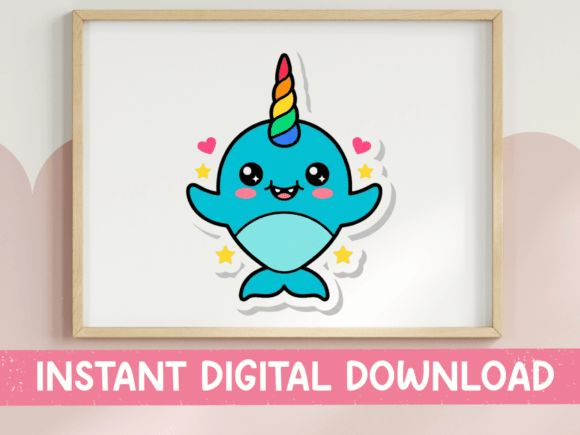
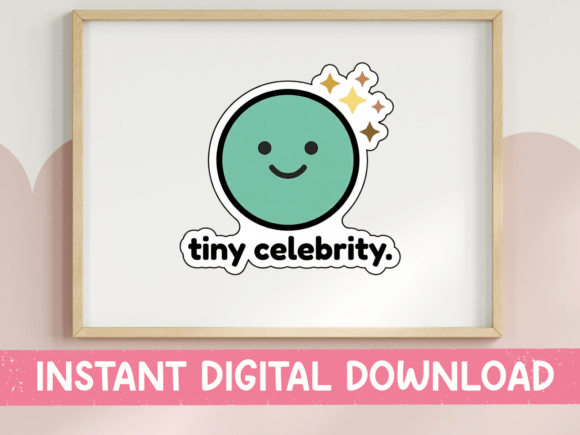
The core appeal of the Tiny Celebrity Kawaii Smiley Sticker lies in its simplicity. It features a round teal kawaii face with rosy cheeks and a sweet smile set against a white sticker outline. Visually, it screams "approachable." For anyone building a brand around positivity, youth culture, or casual streetwear, this graphics element hits the right emotional notes immediately. It feels like something you’d see on a trendy Instagram post or a limited-edition drop from a boutique streetwear label.
However, the "sticker" aesthetic presents a unique challenge for embroiderers. A flat digital illustration looks clean because there are no shadows or fabric textures interfering. In real life, that white outline needs to be represented by thread. If executed poorly, the contrast between the teal face and the white border can get muddy, especially if the underlying garment is dark. The mood here is playful and slightly ironic—celebrating the mundane with a pop of color—but only if the stitching maintains crisp edges.
Real-World Application: Where This Design Shines
I’ve tested this machine embroidery design across several common project types, and its versatility is its strongest asset. It isn’t just a tote bag design; it’s a modular element that can elevate various handmade products.
- Custom Apparel: On a light-colored cotton tee or a heather grey sweatshirt, the teal pops beautifully. It works exceptionally well as a small chest logo or even centered on the back of a hoodie for a subtle statement. The sweatshirt embroidery potential here is high because the soft fabric stabilizes the stitches nicely.
- Baby Embroidery: The kawaii aesthetic makes this perfect for baby clothes. Think onesies, bibs, or burp cloths. The rosy cheeks translate very well in soft pastel threads, creating a gentle, comforting look that parents love for personalized gifts.
- Craft Business Merchandise: For the Etsy seller or small shop product owner, this design is a goldmine for accessories. It looks fantastic on canvas tote bags, where the white outline can mimic the natural weave of the bag. It also works as a decorative accent on kitchen towels or aprons, adding a touch of whimsy to functional items.
- Holiday Embroidery: While not explicitly seasonal, the bright colors make it a great addition to holiday gift baskets. Pairing this embroidery project with a mug or a scarf creates a cohesive, thoughtful present that feels curated rather than mass-produced.
Technical Performance and Stitch Clarity
When discussing how the Tiny Celebrity Kawaii Smiley Sticker performs, we have to talk about the interplay between fill stitches and satin stitches. The teal face likely relies on a dense fill stitch to achieve that solid, vibrant color. The white outline, representing the sticker edge, would typically use a satin stitch to create a clean border.
In my testing, the stitch density appeared balanced, preventing puckering on medium-weight fabrics like jersey or canvas. However, the success of this embroidery file hinges heavily on thread selection. Using a high-quality polyester thread is non-negotiable here to ensure the teal remains rich and doesn’t fade quickly under UV light or washing. The contrast between the teal and the white outline must be sharp; if the white thread is too thin or the tension is off, the "sticker" effect disappears, and it just looks like a floating face.
For those considering this for commercial embroidery projects, the design scales well. It retains its legibility even when reduced slightly for smaller applications, such as the cuff of a sweatshirt or the front panel of a cap. This scalability is crucial for design assets that need to work across multiple SKUs.
Where to Use It Carefully
No design is without its limitations, and the Tiny Celebrity Kawaii Smiley Sticker has specific constraints that designers should respect.
- Small Hoop Sizes: While the design is described as "tiny," attempting to stitch it in a hoop smaller than 3x3 inches (depending on the specific digitization) can result in lost detail. The tiny curves of the smile and the cheeks may merge into indistinguishable blobs if the scale is pushed too far.
- Textured and Stretchy Fabrics: Avoid using this on heavy terry cloth or highly stretchy spandex blends without proper stabilization. The fabric texture can distort the smooth lines of the kawaii face, making it look uneven. Similarly, on stretchy materials, the fill stitch can cause the fabric to pucker if the stabilizer isn’t removed correctly or if the underlay isn’t sufficient.
- Dark Fabric Backgrounds: As mentioned earlier, the white outline is critical. On black or navy backgrounds, the white satin stitch can sometimes look harsh or stand out too much, breaking the illusion of a sticker. You might need to adjust the thread weight or consider a slightly different outline color to soften the transition.
- Curved Surfaces: While it works on caps, applying it to highly curved surfaces requires careful placement. The flat nature of the "sticker" design might look distorted if placed incorrectly on the curve of a baseball cap.
Practical Designer Notes for Execution
Before you commit this digital embroidery file to your production run, follow these practical steps to ensure a professional finished product.
Test on Scrap Fabric First: Always run a test stitch-out on the exact fabric you plan to use. This allows you to check thread color contrast and inspect small details like the corners of the smile. You can spot potential issues with thread colors or tension before wasting material on a customer’s order.
Review Stitch Density: Zoom in on the digitization if possible. Ensure the fill stitch direction is logical and that there are no excessive jump stitches that could snag during wear. A clean embroidery project looks professional; messy underlays look cheap.
Check Stabilizer Usage: Depending on your fabric, you may need a tear-away or cut-away stabilizer. For custom apparel like t-shirts, a water-soluble topping can help keep the satin stitch smooth and prevent thread shine, enhancing the overall visual appeal.
Black and White Mockups: Convert your design to grayscale in your editing software. This helps you evaluate the contrast and shape integrity without being distracted by the teal color. If the shape holds up in black and white, it will look great in color.
Licensing and Commercial Use: As a craft business owner, always confirm licensing terms. Even if you buy the embroidery design, verify if you are allowed to sell finished items. Some creators restrict commercial use unless a specific license is purchased. Protect your brand consistency and legal standing by doing this due diligence upfront.
Final Verdict
The Tiny Celebrity Kawaii Smiley Sticker is a charming, versatile addition to any designer’s library. It bridges the gap between digital graphics and tactile craftsmanship effectively. When stitched correctly, it adds a layer of personality and professionalism to small business merchandise that resonates with buyers looking for unique, handmade products. Just remember: good digitization and careful execution are key. Test thoroughly, choose your threads wisely, and let the cheerful vibe of the design do the rest. For the Etsy seller or creative entrepreneur looking to add a hit of fun to their catalog, this embroidery project is a reliable, stylish choice.