Wildflower Watering Can Sticker Embroidery Review
As a designer who spends more time staring at stitch density charts than actual sunlight, I approach every new file with a healthy dose of skepticism. The market is flooded with clipart that looks charming on a screen but falls apart under the needle. That is why when I encountered the Wildflower Watering Can Sticker, I didn’t just look at the preview image; I looked at how it would actually perform in a hoop. This design, categorized broadly under T-Shirt Designs and Graphics, promises a cheerful aesthetic that appeals to gardeners and flower obsessives. But does it hold up as a viable asset for serious embroidery work? After running through my mental checklist of fabric interactions, stitch types, and end-user appeal, here is my honest evaluation.
The First Impression: Mood and Visual Personality
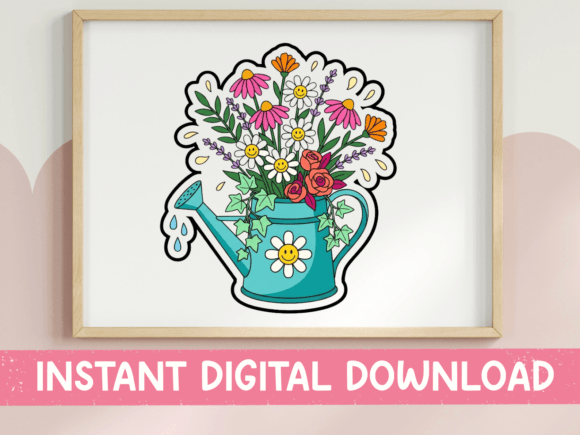
The immediate draw of the Wildflower Watering Can Sticker is its inherent warmth. It isn’t trying to be edgy or minimalist; it is leaning into the cozy, handmade vibe that dominates the current craft landscape. The core element—a teal watering can with a smiley face daisy painted on it—creates an instant emotional connection. For anyone who tends to things with love and patience, this imagery resonates deeply. Visually, the shape is compact and self-contained, which is a massive advantage for digitization. It doesn’t rely on sprawling background elements that often lead to thread breaks or puckering. Instead, it focuses on a central icon with clear definition.
The color palette suggests a fresh, spring-like energy. Teal is a versatile hue that photographs well and stands out against neutral backgrounds without being aggressive. The inclusion of the daisy adds a layer of whimsy that elevates the piece from a simple tool illustration to a character-driven graphic. When I imagine this stitched, I picture clean lines and distinct color blocking, which usually translates to high readability even from a distance. It feels like a design meant to bring a small smile, whether it’s sitting on a tote bag or pinned to a child’s jumper.
Real-World Application: Where Does It Shine?
I believe this design has significant potential in the realm of custom apparel and lifestyle accessories. Let’s consider a specific scenario: preparing a batch of custom embroidered tote bags for a local farmers' market or an Etsy shop launch. The Wildflower Watering Can Sticker fits perfectly here. The theme aligns naturally with sustainable living, gardening, and plant care niches. Placing this centered on a canvas tote creates a balanced, professional look that customers are willing to pay a premium for.
Beyond bags, this design is a strong candidate for sweatshirt embroidery or lightweight hoodies aimed at the "plant mom" demographic. The compact nature of the graphic means it won’t weigh down the garment, yet it provides enough visual interest to serve as a statement piece. I also see excellent utility in baby embroidery. A smaller version of this design on a muslin burp cloth or a baby onesie taps into the gentle, nurturing aesthetic that parents love. The smiling daisy adds a touch of innocence that works exceptionally well for nursery decor items like pillow covers or wall hangings.
Furthermore, this design bridges the gap between personal gifts and commercial products. It makes for a thoughtful personalized gift for teachers, nurses, or anyone who loves botany. In a craft business context, it serves as a reliable bestseller because the subject matter is evergreen. Unlike holiday-specific designs that expire after December, a watering can is relevant year-round, particularly during spring planting seasons. This longevity increases the return on investment for any Etsy seller or small shop product owner stocking digital or physical inventory.
Technical Considerations and Stitch Quality
When evaluating an embroidery file, I always think about the mechanics of the stitch. The Wildflower Watering Can Sticker appears to utilize a mix of fill stitches for the body of the can and satin stitches for outlines or details. This combination is generally forgiving, provided the digitizer has managed the underlay correctly. The key here is managing the stitch density. If the teal area is too dense, it may become stiff and lose the soft texture expected from a gardening tool. Conversely, if it is too sparse, the fabric backing might show through, ruining the clean look.
Designers should pay close attention to the transition between the teal can and the white or contrasting colors of the daisy. High contrast is good for visibility, but poor registration can make the smiley face look distorted. I recommend testing the design on scrap fabric first to ensure the thread colors pop as intended. Additionally, check the hoop size requirements. Since this is a relatively small graphic, it should fit comfortably in standard 4x4 or 5x7 hoops, making it accessible for home embroiderers with limited equipment.
For those using this as a machine embroidery design, consider the stabilizer choice. A cut-away stabilizer is crucial for maintaining the integrity of the design over time, especially if the finished product will undergo frequent washing. A water-soluble topping might also help prevent the satin stitches from sinking into the fabric loops, ensuring the daisy retains its crisp edges.
Pitfalls and Where to Be Careful
No design is perfect for every surface. There are several scenarios where the Wildflower Watering Can Sticker might struggle. First, avoid placing this on highly textured fabrics like heavy bouclé or thick terry cloth unless you are using a substantial amount of stabilizer. The texture can obscure the fine details of the daisy’s face. Similarly, thin or stretchy fabrics require extra caution; without proper support, the tension of the stitches could cause the fabric to pucker around the watering can’s spout.
Curved surfaces, such as caps or hats, present another challenge. While the design is likely flexible enough to conform to a curve, the circular nature of a cap crown might distort the straight lines of the watering can if not digitized with appropriate curvature compensation. Also, be mindful of dark fabrics. If the design relies on white threads for highlights or the daisy petals, you may need a white underlay or a different color strategy to ensure brightness. Testing on black and white mockups before committing to production can save you from costly mistakes.
Final Verdict for Designers and Sellers
Ultimately, the Wildflower Watering Can Sticker is a solid, marketable asset for any creative entrepreneur. Its charm lies in its simplicity and relatability. It performs well as a tote bag design, a patch, or a decorative accent on kitchen towels. For commercial embroidery projects, it offers a friendly, approachable vibe that builds customer trust and engagement. It feels like a handmade product that cares about the recipient.
Before integrating this into your workflow, remember to confirm licensing terms if you plan to sell finished items. Ensure you have the rights to use the digital embroidery file for commercial purposes. Test the design thoroughly on your target fabric type, inspect the small details under magnification, and verify that the design assets meet your quality standards. If executed correctly, this design has the potential to become a staple in your collection, appealing to anyone who appreciates the quiet joy of gardening and creation.