Knitting Needles and Yarn Heart Sticker
As a designer who spends half my life staring at stitch charts and the other half arguing with thread tension, I don’t just look for "cute" when I’m evaluating a new digital asset. I look for viability. Does this design translate well from screen to fabric? Will it hold up after twenty washes? Is it distinct enough to stand out in a crowded Etsy feed or craft fair table? When I first pulled up Knitting Needles and Yarn Heart Sticker, my initial reaction was one of cautious optimism. The concept is undeniably sweet, tapping into the cozy, handmade aesthetic that has dominated the fiber arts community for years. But does it work as a serious machine embroidery design? Let’s break down the practical realities of using this piece in real-world projects.
The First Impression: Mood and Visual Personality
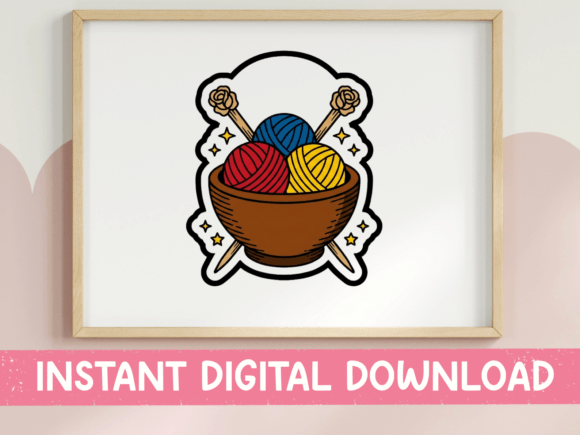
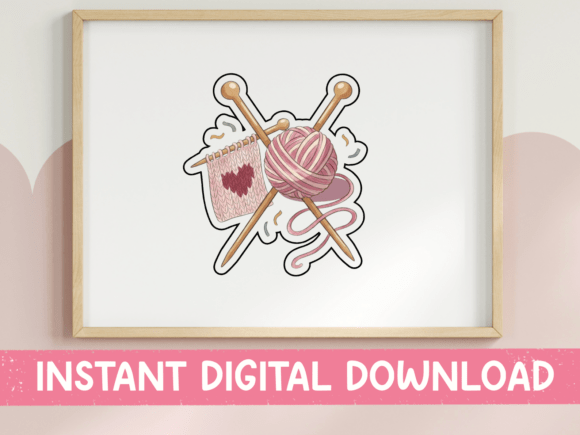
The moment you see Knitting Needles and Yarn Heart Sticker, you know exactly who it’s for. It speaks directly to the knitter who wants to wear their hobby on everything. The imagery is straightforward: two crossed wooden knitting needles threaded through a partially knitted swatch, forming a heart shape. It’s a classic motif, but the execution here feels more like a sticker than a traditional ornate monogram. This gives it a modern, graphic quality that works surprisingly well for contemporary apparel.
From a layout perspective, the composition is balanced. The crossing needles create a natural focal point, while the yarn swatch adds texture and softness. Visually, it creates a mood of warmth, comfort, and creativity. It doesn’t scream; it whispers. This subtlety is actually its greatest strength. In a market flooded with loud, oversized graphics, a design that feels intimate and personal often converts better because it resonates emotionally with the buyer. It feels like a genuine expression of identity rather than just another logo slapped onto a garment.
Real-World Application: Where This Design Shines
I’ve been thinking about where Knitting Needles and Yarn Heart Sticker would actually perform best in a production environment. My mind immediately went to custom tote bag designs. There is something inherently poetic about a knitter carrying their tools and love for the craft in a bag embroidered with this very symbol. On a canvas tote, the design would likely pop if placed centrally or slightly off-center on the pocket area. It adds a touch of personality without overwhelming the utility of the bag.
Another strong candidate is sweatshirt embroidery. Think of a heather grey or cream crewneck. Placing this design on the left chest area creates a subtle, professional look that appeals to both hobbyists and those who simply appreciate the aesthetic. It’s perfect for personalized gift scenarios, such as holiday gifts for grandmothers, wedding gifts for bridal parties who knit, or birthday presents for the creative aunt. The "sticker" vibe of the illustration makes it feel approachable and fun, which increases its appeal as a gift item.
For small business owners, this design is also a versatile asset for embroidered patches. If you sell patches as accessories for denim jackets or backpacks, this heart-and-needle motif is a crowd-pleaser. It fits the current trend of "craftcore" fashion, where makers are proudly displaying their hobbies on their clothing. Additionally, it works beautifully on aprons for kitchen use, bridging the gap between crafting and cooking—a common overlap in many households.
Technical Considerations and Stitch Performance
Here is where we need to be realistic. While the image looks great digitally, embroidery is a physical process governed by physics and thread limits. The description mentions a "partially knitted swatch." In embroidery terms, this implies a need for texture. Depending on the specific file structure, this might rely heavily on fill stitch to mimic the knit pattern, or perhaps a combination of satin stitch for the needles and running stitch for the yarn details.
If the design uses dense fill stitches to represent the yarn, you must pay close attention to stitch density. Too much density can make the fabric pucker, especially if you are working with lighter materials like cotton tees or linen aprons. Conversely, if the detail is too sparse, the "knitted" texture might get lost, and the design could look flat or unfinished. I always advise testing the design on scrap fabric first to ensure the thread colors provide enough contrast against the background fabric. For example, a light yellow yarn on a white tee will disappear, whereas a mustard yellow on navy blue will sing.
Also, consider the hoop size. This design seems compact, which is good for versatility, but if it’s too small, intricate details like the wood grain on the needles might become muddy. You want to ensure that every element is legible after stitching. If the file includes tiny text or fine lines, inspect them closely. Sometimes, what looks sharp on a 4K monitor blurs together once stitched in polyester thread.
Where to Use With Caution
While Knitting Needles and Yarn Heart Sticker is charming, it isn’t a one-size-fits-all solution. Here are areas where you should proceed carefully:
- Small Hoop Sizes: If you are trying to fit this into a hoop smaller than 4x4 inches, you risk losing detail. Ensure your digitizer has optimized the design for smaller spaces if necessary.
- Textured Fabrics: Avoid placing this on heavy bouclé wool or rough burlap. The intricate details of the needles and yarn may get lost in the fabric’s own texture, making the design look messy rather than artistic.
- Stretchy Fabrics: Knit fabrics like jersey or spandex blends can distort under the tension of an applique design or dense stitching. If you are embroidering on t-shirts, use a high-quality tear-away or cut-away stabilizer to prevent warping.
- Dense Stitch Areas: If the design has large blocks of solid color, test it for stiffness. A heart made entirely of satin stitch can become rigid, which might be uncomfortable if placed on the back of a shirt or the cuff of a sleeve.
Brand Consistency and Customer Trust
For Etsy sellers and small shop product creators, consistency is key. Using a clean, well-executed design like this helps build brand trust. Customers can tell the difference between a rushed, low-resolution transfer and a thoughtfully digitized embroidery project. When you present Knitting Needles and Yarn Heart Sticker in your listings, use high-quality mockups that show the texture of the thread. Show it on different backgrounds—light, dark, and textured—to demonstrate its versatility.
This design also enhances the perceived value of your finished product. A simple t-shirt becomes a premium item when adorned with a unique, thematic design that resonates with the wearer’s identity. It signals that you understand your niche. Whether you are selling to fellow knitters or people buying gifts for them, this design bridges the emotional gap. It says, "I see you, and I celebrate your hobby."
Practical Designer Notes for Success
Before you start mass-producing items with Knitting Needles and Yarn Heart Sticker, follow these steps to ensure quality:
- Test on Scrap Fabric: Never skip this step. Test on the exact fabric you plan to sell. Check how the threads interact with the material.
- Check Thread Color Contrast: Review the default thread colors. Do they match the mood? Can you easily swap them to suit different fabric tones?
- Inspect Small Details: Zoom in on the needle tips and yarn loops. Are they clear? Do they require excessive trimming?
- Confirm Licensing: Ensure you have the right to sell finished goods made from this digital embroidery file. Some designers restrict commercial use, while others allow it with attribution.
- Use Proper Stabilizer: Match your stabilizer to your fabric weight. Heavy fabrics need heavy stabilizers; light fabrics need lightweight ones to avoid bulk.
- Black and White Mockup: Convert your design to black and white to check for balance and readability without the distraction of color.
In conclusion, Knitting Needles and Yarn Heart Sticker is a solid addition to any craft business inventory. It’s not groundbreaking, but it is reliable, appealing, and technically sound if handled correctly. It fits perfectly into the world of custom apparel, baby embroidery, and holiday embroidery. By paying attention to the technical details and choosing the right fabrics, you can turn this simple graphic into a beloved handmade product that customers will cherish.