Luna Moth Specimen Jar Sticker Design Review
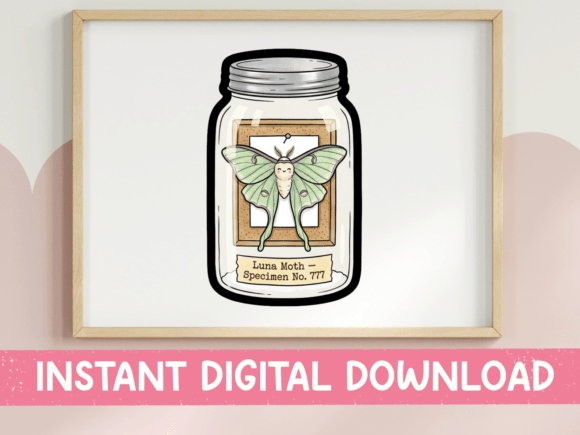
As someone who has stitched thousands of designs and reviewed countless digital assets for my own craft business, I approach every new file with a mix of excitement and skepticism. The market is saturated, and finding a design that balances aesthetic charm with technical viability is rare. Recently, I took Luna Moth Specimen Jar Sticker Design out for a spin to see if it holds up under the pressure of real-world production. This isn’t just another pretty picture; it’s a specific narrative element—a delicate sage green luna moth with cream-tipped wings pinned inside a glass display jar—that demands careful consideration before hitting the hoop.
The immediate impression is one of quiet sophistication. It taps directly into the cottagecore and nature-lover aesthetics that dominate platforms like Etsy and Pinterest, but it does so without feeling cluttered or overly whimsical. The "specimen" aspect adds a touch of vintage scientific illustration, which elevates it above standard floral motifs. For designers looking to create high-end handmade products, this design offers a unique storytelling angle that resonates with buyers who appreciate detail and atmosphere.
Visual Appeal and Market Fit
When evaluating any machine embroidery design, the first thing I look at is how well it translates from screen to fabric. The color palette described—sage green and cream—is inherently versatile. These are soft, earthy tones that work beautifully on natural fibers like organic cotton, linen, or unbleached muslin. They also pop surprisingly well against deeper autumnal shades like mustard yellow, burnt orange, or even a muted charcoal gray.
This design feels particularly suited for custom apparel such as oversized sweatshirts or structured tote bags. Imagine the jar motif centered on the back of a heavy-weight hoodie, or perhaps clustered near the pocket area of a canvas apron. The "sticker" concept implies a clean, contained shape, which makes it incredibly adaptable. It doesn’t need to be the sole focus; it works equally well as part of a collage layout featuring other botanical elements or small text phrases.
For Etsy sellers and small shop product creators, this design bridges the gap between hobbyist charm and boutique professionalism. It appeals to the demographic that buys personalized gifts for weddings, baby showers, and holidays. The imagery is gentle enough for nursery decor yet intriguing enough for adult-centric merchandise like tea towels or pillow covers. It avoids being too childish while remaining accessible, a tricky balance that many designs fail to strike.
Technical Performance in Embroidery
Let’s talk about the stitch work. A design depicting a glass jar requires precision. If the satin stitches outlining the jar are too dense, the fabric will pucker; if they are too sparse, the outline will look broken and cheap. Similarly, the wings of the luna moth likely rely on a combination of fill stitches and perhaps some satin stitch detailing for the veins. In my experience, designs that attempt to render transparency (like glass) through embroidery can sometimes fall flat if the thread choice doesn’t provide enough contrast.
I recommend testing this embroidery file on scrap fabric before committing to your final project. Pay close attention to the stitch density. If the design includes small details like the pins holding the moth, ensure they are large enough to stitch cleanly. Tiny running stitches can often merge together or break during the washing process, especially on items like tote bag design projects that undergo frequent laundering.
The use of thread colors is critical here. Sage green is a subtle color; on a light background, you might need a slightly darker shade to define the edges, whereas on a dark background, a lighter sage might get lost. I suggest creating a printable mockup in black and white first to check the value contrast. If the design looks muddy in grayscale, it will likely struggle in color unless the fabric provides extreme contrast.
Where to Use It Carefully
While this design is versatile, there are specific scenarios where it may not perform as intended. Avoid placing this on highly textured fabrics like chunky knits or bouclé wool, as the fine details of the jar and moth will be obscured. Stretchy fabrics, such as thin jersey knits used for t-shirts, require excellent stabilizer support to prevent distortion of the circular jar shape.
Small hoop sizes are also a risk. If you try to digitize or scale this down too much, the "glass" effect and the wing details may become indistinguishable blobs. It is best suited for medium to large placements. Additionally, be cautious with dark fabrics. Unless you are using a heavy cut-away stabilizer and possibly an applique base, the light cream tips of the wings might not show up clearly against navy or black backgrounds.
Product Value and Customer Perception
In the world of commercial embroidery, perceived value is everything. A well-executed Luna Moth Specimen Jar Sticker Design signals quality. Customers associate intricate, well-structured embroidery with durability and care. When a buyer sees a clear, crisp rendition of this design on a personalized gift item, they are more likely to trust the craftsmanship behind the entire piece.
This design also enhances brand consistency for creative entrepreneurs. If your shop focuses on nature, science, or vintage aesthetics, this asset fits seamlessly into your visual identity. It allows you to create cohesive collections—for example, pairing it with other insect or botanical designs to form a "Natural History" series. This strategy increases average order value by encouraging customers to buy multiple related items, such as a matching set of kitchen towels and a guest towel.
Practical Designer Notes
Before integrating this into your workflow, keep these practical tips in mind:
- Stabilizer Selection: Use a high-quality tear-away or cut-away stabilizer depending on the fabric weight. For stretchy materials, a cut-away is non-negotiable to maintain the integrity of the jar shape over time.
- Thread Quality: Use polyester or rayon threads with good sheen to enhance the "glass" illusion. Matte cotton threads may make the design look too rustic unless that is the specific vintage vibe you are aiming for.
- Mockup Testing: Always review the design in both light and dark fabric backgrounds digitally before stitching. This helps you anticipate how the sage green will interact with different palettes.
- Licensing Check: Confirm whether the digital embroidery file license allows for commercial use of finished goods. Some design assets are restricted to personal use only, which could limit your ability to sell the resulting finished product.
- Applique Consideration: If the design includes complex layers, consider if an applique design approach would yield better results than pure stitching, particularly for the background of the jar to create a clean backdrop for the moth.
Ultimately, Luna Moth Specimen Jar Sticker Design is a strong contender for any designer’s library. It offers a sophisticated take on a popular theme, provided you respect its technical requirements. By testing thoroughly and choosing the right fabrics and threads, you can transform this digital graphic into a tangible, cherished embroidery project that stands out in a crowded marketplace.